

You find a cheap car rental deal online. The price looks great. But when you reach the counter, the final bill is much higher.
This happens to many travelers.
The reason is simple. The car rental base rate vs total cost is not the same. The base price you see is only the start. Taxes, add-ons, and extra charges get added later.
These extra costs are often called hidden charges in car hire or unexpected car rental expenses.
In many cases, the final bill can be 10% to 25% higher than the price you first saw.
What Are Hidden Fees in Car Rentals
Hidden fees are extra costs that are not clear when you first book.
These may include:
- Rental car taxes and fees
- Add-ons like GPS or child seats
- Insurance upsells
- Fuel and mileage charges
These costs are part of the car rental pricing model. They are not always mistakes. Many companies use them to increase profit.
That is why rental car pricing transparency is very important today.
Understanding Car Rental Pricing
When you see a price for a rental car, that number is usually just the base rate. The base rate is the cost for using the car for a set number of days. It does not include most of the additional costs that arise later.
The total cost you pay can be much higher than the base rate, as many hidden car rental fees are added on. These charges come from various sources, such as airport concession fees, fuel and insurance requirements, and additional service costs.
Here are the main ways rental pricing works:
1. Base Rate vs Total Estimated Charge
The base rate is the starting number you see online. It does not yet include most extra costs. The total estimated charge is the number you should check before you pay. That must include taxes, airport fees, and any add-ons.
2. What Rental Companies Add
Rental companies often add fees for:
- Airport concession fee or concession recovery fee when the car is picked up at an airport location. This fee helps cover rental space and service costs at airports.
- Fuel policy charges when you return the car without a full tank or if you choose a prepaid fuel option.
- Insurance charges, such as a Collision Damage Waiver (CDW) or Loss Damage Waiver (LDW) at the counter. Your own insurance might cover some of this, but the rental company may offer extra policies.
- Additional driver fee and young driver surcharge if more people or younger drivers are added.
- One-way fee if you return the car to a different place than where you picked it up.
3. Why Fees Can Be Hard to See Early
Many booking sites show only the base rate first and add fees later in the process. Some mandatory costs, such as taxes and concession fees, are added at checkout or at pickup. Always check the detailed price breakdown before you book.
4. How Pricing Can Vary
The final price can change based on:
- Location — airport pick-ups cost more than off-airport locations.
- Vehicle type — larger or luxury cars usually cost more.
Time of year — peak travel seasons often have higher rates.
Common Hidden Fees & What They Really Cost

When you rent a car, the number you see first is usually just the base rate. The final bill often includes many hidden car rental fees that were not clear at first. Knowing these fees can help you avoid extra charges and keep your total cost low.
A. Mandatory & Optional Charges You Might See
1. Airport Concession Fee & Concession Recovery Fee
If you pick up a car at an airport location, rental companies may add an airport concession fee or concession recovery fee. This is a cost they pass on to you for operating at the airport. Renting off-airport can help you avoid these fees.
2. Insurance Charges (CDW, LDW & SLI)
At the rental counter, staff often offer additional coverage such as Collision Damage Waiver (CDW), Loss Damage Waiver (LDW), or Supplemental Liability Insurance (SLI). These can add many dollars a day. You may already have coverage through personal auto insurance or a credit card, so you can often decline unnecessary insurance.
3. Fuel Policy & Fuel Charges
Fuel fees are common. Some companies offer prepaid fuel options, but this may cost more than filling up yourself before returning. If you don’t return the car with a full tank under a full-to-full policy, you may be charged extra for refueling.
4. Additional Driver Fee & Young Driver Surcharge
Adding another person to the rental agreement can result in an additional driver fee. Drivers under a certain age may be subject to a young driver surcharge. These can be avoided by checking your policy and membership benefits before you book.
5. One-Way Drop Fee
If you return the car to a different place than where you picked it up, you may see a one-way drop fee. Some agencies waive this fee for specific routes, so ask before booking.
B. Extra Charges That Sneak Into Bills
1. Cleaning Fees
If the car is returned dirty, a cleaning fee may be added. This can be several dollars up to much more at some companies. Taking care of the car and returning it clean can help avoid this.
2. Late Return Fee
Most rental companies allow a short grace period, but returning the car even slightly late can lead to late return fees and may even be charged as an extra day. Always plan to return the car on time.
3. Toll Transponder & Administrative Fees
Rental contracts may include fees for using the company’s toll transponder or administrative charges for processing tolls. Bringing your own device or paying tolls directly can sometimes avoid these costs.
4. Equipment Add-On Charges
Optional equipment such as GPS, child seats, satellite radio, or roadside assistance incurs daily fees. Using your own devices or declining these add-ons can save money.
C. Small Government & Pass-Through Fees
Some fees come from taxes and local charges that the company passes to you:
- Vehicle license recovery fee
- Energy and environmental fees
- Tourism commission assessments
- Customer facility charges at airports
These may be unavoidable, but knowing about them helps you budget better.
How to Avoid Hidden Fees: Step-by-Step
Here are the simple steps to avoid extra car rental fees and keep your total cost low. These tips come from travel experts and industry guides that explain how to avoid or reduce fees such as airport concession fees, insurance upsell, fuel charges, and more.
A. Before You Book
1. Get a Full Price Quote
Always ask for the total estimated charge before you confirm your booking. The price shown first is usually just the base rate, and many fees are added later.
2. Compare Pickup Locations
Renting from an airport location often adds a concession recovery fee. If you can, look for off-airport rental options to avoid this charge.
3. Read the Fine Print
Take time to read the rental agreement and terms. Look for fuel rules and mileage limits, and check whether charges like a toll transponder fee or a one-way drop fee apply.
4. Check Your Insurance Coverage
Before you pay extra at the counter for insurance like CDW or LDW, check if your own auto policy or credit card offers coverage. This can help you avoid insurance upsell costs.
5. Avoid Unneeded Add-Ons
Extras like GPS, child seats, or satellite radio can add daily charges. Use your own equipment when possible instead of paying for equipment add-ons.
B. At Pickup
1. Inspect and Document the Car
Before you drive away, walk around the car and take photos of its condition. This helps avoid later claims for damage fees.
2. Confirm the Fuel Policy
Ask whether the fuel plan is full-to-full, and make sure you understand when to fill up to avoid fuel policy penalties.
3. Clarify Fees in Writing
If any optional services were declined, make sure this is noted in the rental agreement so they are not added later.
C. During and After the Rental
1. Return on Time
Most companies allow a short grace period, but returning late can lead to late return fees or an extra day of charges. Plan your time carefully.
2. Return the Tank Full
If you agreed to a full tank arrangement, fill the car before returning to avoid expensive refueling fees.
3. Keep All Documents
Save receipts, rental contracts, and photos until after your final bill is clear. This helps if you need to dispute any unexpected charges.
D. Smart Extras to Reduce Costs
1. Use Membership Benefits
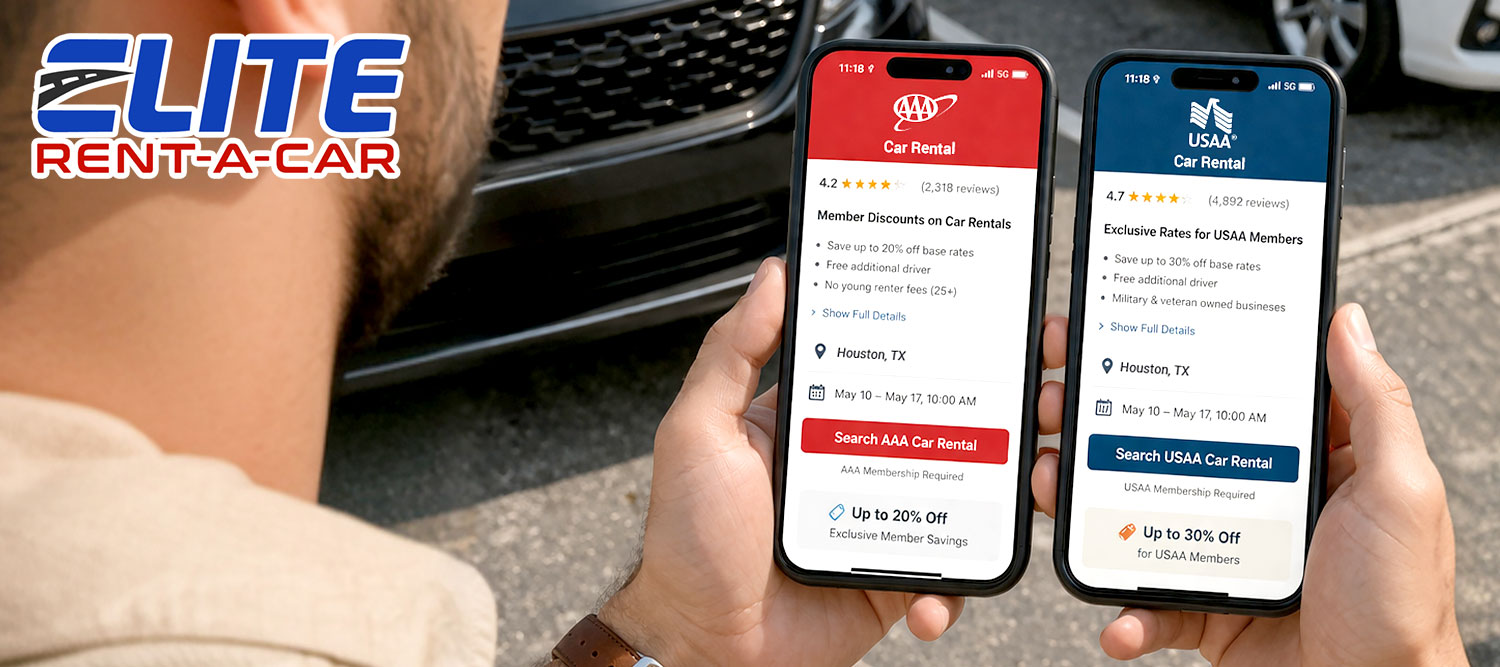
Memberships like AAA or USAA can sometimes waive the young driver surcharge or additional driver fee at some companies.
2. Book Early
Booking in advance can lock in a better rate and make hidden fees more transparent.
3. Pick a Smaller Car
Choosing a smaller vehicle often leads to lower rates and may reduce fuel and insurance costs.
By following these steps, you can significantly reduce or avoid many common and hidden car rental fees.
Smart Booking Strategies to Save Even More
Here are practical booking tips that help you avoid hidden car rental fees and keep your total cost low when you rent a car. These strategies come from expert travel guides and industry advice on how to get the best rental deals, compare options, and be more aware of potential surcharges, such as airport fees and insurance upsell.
1. Book Early and Compare Prices
Book your car as early as possible to lock in better deals. Prices can go up the closer you get to your travel dates, especially at busy times of year. Use price comparison and aggregator sites to compare multiple deals and see the base rate and expected total cost upfront.
2. Choose Pickup Locations Carefully
Renting from an airport location often adds an airport concession fee or concession recovery fee that you can avoid by choosing a nearby downtown or off-airport branch. Sometimes off-airport rentals save money even after factoring in transportation to the rental site.
3. Take Advantage of Discounts and Memberships
Certain membership programs, such as AAA, USAA, or travel loyalty programs, can offer discounts, waived additional driver fees, or reduced young-driver surcharge costs. Always check if your memberships or credit cards offer special rental car benefits before you book.
4. Watch for Deals, Promo Codes, and Prepay Offers
Some rental companies offer special promotions or lower rates if you prepay for your rental car. Paying in advance can be cheaper than paying at the counter, but make sure you understand the cancellation and refund rules.
5. Check All Terms and Conditions
Before you finalize a booking, read the rental agreement fine print carefully. Look for possible charges for fuel, mileage limits, toll equipment, and one-way returns. Knowing these rules helps you avoid surprises later.
6. Choose the Right Vehicle and Options
Smaller or economy cars often have lower base rates and can cut fuel costs and some equipment add-ons. If you do need extras like child seats or GPS, compare rental prices with what you could bring yourself to avoid extra fees.
7. Use Smart Tools and Alerts
Set up price alerts on travel sites and compare rental company offers like daily rates and mileage policies. This gives you a clearer view of expected fees, such as car rental fuel policy charges and administrative fees, before you book.
These smart booking strategies help you plan ahead, compare costs, and avoid many common hidden car rental fees that would otherwise increase the final bill.
Special Situations & International Travel
When you travel to another city or another country, renting a car can be more complicated. There are extra rules, fees, and limits you need to know. If you do not check them, you may pay hidden car rental fees or lose insurance coverage. The tips below will help you avoid surprises when you book a car for a road trip or international travel.
- Driving Across Country Borders
If you plan to use a rental car in more than one country, you must check the rental company’s rules first. Some rentals do not let you drive out of the original country without permission. You may need to pay a cross-border fee to keep your insurance valid.
- Always read the rental agreement fine print and confirm which countries are allowed.
- Tell the rental company in advance if you plan to cross borders. If you do not, your insurance and roadside help may not work outside the original country.
- Sometimes the cross-border fee is charged once for the entire trip, not per country.
If you expect to cross borders during your trip, make sure your driver’s license, passport, and rental documents are correct and match the rental booking.
- Border-Related Fees and Insurance
Crossing into another country often means extra costs that are not part of the base rental price:
- You may need extra insurance coverage in the destination country.
- Some rental companies require special stickers or toll passes at borders.
- If you fail to follow the rules, you could face high penalties or loss of coverage.
Always confirm the exact costs and documentation needed before you start your trip.
- Young Driver and Special Surcharge Rules Abroad
If you are a young driver, some countries charge a young driver surcharge on top of the base rate. This is common in the U.S., Europe, and many other regions.
- This fee can vary widely depending on location, rental company, and age.
- Some membership benefits may waive this fee at select companies if you qualify.
Always check the young driver rules for the country you are traveling in before you book.
- Local Toll and Administrative Rules
When you drive in a different country, you may face new toll rules and charges that differ from home:
- Some countries require you to have a toll pass or sticker to use the highways.
- If the rental company’s toll system bills you after your trip, you may be charged extra toll fees plus administrative fees.
Check the local rules on tolls and pay them yourself when possible to avoid large, unexpected charges later.
- Return and Drop Fees Across Borders
If you plan to return the car in another city or country, you may face a one-way drop fee or extra border return charges.
- Some companies allow international one-way returns at no extra cost if you choose specific routes in advance.
- Always ask about these fees before you book.
6. Travel Documentation for International Driving
Before you start driving abroad:
- Make sure your international driver’s permit (if required) is ready.
- Your passport and driver’s license should match the name on your rental contract.
- Keep all paperwork accessible, including insurance and toll receipts.
Knowing how special travel situations change car rental costs can help you avoid hidden fees and enjoy a smooth trip, whether you are driving locally or across borders.
Frequently Asked Questions
What are hidden car rental fees?
Hidden car rental fees are extra charges that are often not clear in the initial price you see online. These can include airport concession fees, fuel policy charges, insurance upsell, toll transponder fees, cleaning fees, and other costs that raise your final bill. Car rental companies often list only the base rate at first, and the full total cost appears later in the booking process.
Does my car insurance cover a rental car?
Many personal auto insurance policies will cover rental cars, especially for collision damage and comprehensive coverage. This means you may not need to buy extra insurance, such as a Collision Damage Waiver (CDW) or Loss Damage Waiver (LDW) from the rental company, helping you avoid insurance upsell fees. Always check your policy before you decline rental coverage.
Do all car rentals charge a deposit?
Yes, most rental companies require a deposit before you drive away. This is often held on your credit card as a preauthorization and is released when the car is returned in good condition. If you use a debit card, the amount may be taken from your account and refunded later.
Do car rentals charge by the mile or by the day?
Most traditional car rentals charge by the day and include unlimited mileage. Some specialty vehicles or long-term rentals may have a mileage cap with fees charged for extra miles. Always confirm the mileage rules before booking to avoid per-mile penalties.
How can I avoid paying hidden car rental fees?
To avoid unexpected fees:
- Compare the total estimated charge, not just the base rate.
- Rent off-airport to avoid airport concession fees.
- Decline unnecessary add-ons and use your own GPS or child seat.
- Check your own insurance and credit card for coverage before buying rental insurance.
- Inspect the car and document its condition with photos.
These steps help you see costs upfront and reduce surprise charges.
Why do airport rentals cost more?
Airport rentals often include a concession recovery fee because airports charge rental companies to operate on their property. This cost is passed on to you as higher daily charges. If you can, choosing an off-airport pickup location can reduce this fee.
Can young drivers avoid surcharge fees?
Drivers under a certain age often face a young driver surcharge. This fee varies by company and location, but can be waived if you have certain memberships, such as AAA or USAA, with specific rental brands.