

A one-way car rental lets you pick up a car in one city and return it to another. Many travelers use this option for a road trip, a family vacation, business travel, or even a long interstate move.
This type of car rental gives you more freedom. You do not need to drive back to the starting point. That makes it a smart choice for a cross-country road trip, a multi-city vacation, or an airport-to-airport trip.
A drop-off car rental can help travelers save time, avoid backtracking, and enjoy a smoother travel itinerary. It is popular for interstate highway travel, moving to a new home, college relocation, and scenic drives between cities.
Still, there are important things to know before you book a one-way vehicle hire. Some companies charge a drop-off fee or extra rental mileage charges when you return the vehicle to another branch. These costs can vary based on the distance, vehicle type, and demand.
What Is a One-Way Car Rental?
A one-way car rental is a type of car rental in which you pick up a vehicle in one city or location and return it in another. You do not have to return the car to the original branch or pickup location. This gives you more flexibility and time savings, especially on long trips or multi-city travel.
Most major rental brands offer one-way options when you make an online reservation with them. You simply choose a pickup location and a different drop-off location, and the rental company will prepare the vehicle for your trip.
For example:
- You can pick up your car in one state and return it in another.
- You can start at an airport and finish in the city center.
- You can rent a car for a cross-country trip without having to return to your starting point.
Because the car will not return to its original branch on its own, many companies charge a drop-off fee or one-way fee. These charges help cover the cost of returning the vehicle to its home location. Fees differ by distance, company, and route.
Why Travelers Choose One-Way Car Rentals
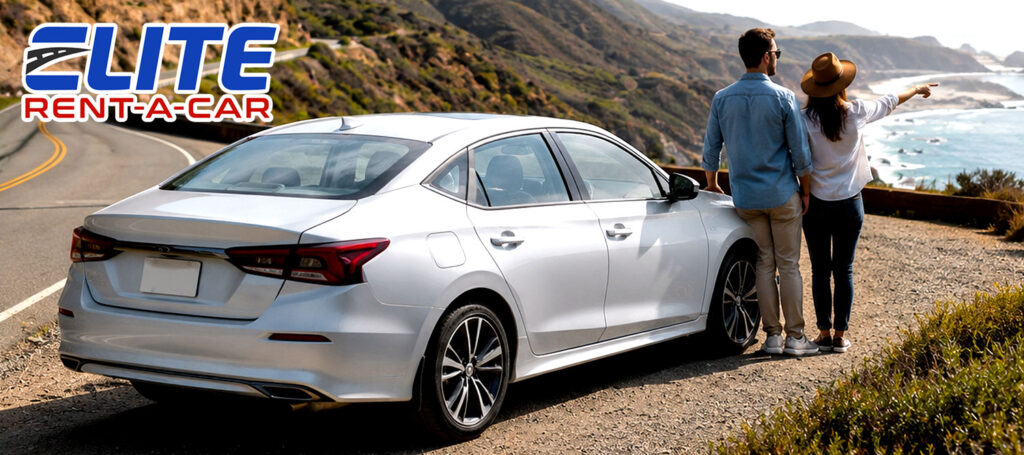
Many people choose one-way car rentals because they make travel easier and more flexible. With a different return location, you do not need to drive back to your starting point. This saves time and stress, especially on road trips or long journeys.
A common reason is for airport one-way rental travel. You can fly into one city, pick up a rental car, and drop it off at your final stop without retracing your route. This is great when your trip does not form a loop.
Many travelers also use one-way rentals for relocation or to move to a new home. Instead of returning to the original city, you can load your belongings and stop at your new address. This is faster and often easier than moving personal vehicles.
Business travelers like the convenience, too. If you have meetings in several cities, a one-way rental car lets you drive between them without backtracking or changing transport plans.
Cross-country car rental trips are another common use. One-way rentals work well for long drives across many states or regions, letting you explore different places without worry.
Here are some key reasons travelers pick one-way rentals:
- Flexibility: You can plan point-to-point travel without having to return to the start.
- Convenience: Ideal for long vacations, business plans, and life moves.
- Time Savings: You avoid extra driving back to the pickup city.
- Better Travel Flow: Works well with flights and multi-city itineraries.
Even though some companies charge drop-off fees for one-way trips, many travelers find the convenience worth it because it saves them time and makes travel smoother.
How Much Do One-Way Car Rentals Cost?
When you choose a one-way car rental, the price can vary significantly depending on the route, company, season, and the distance between the pickup and drop-off locations.
Drop-Off Fees
A drop-off fee, also called a one-way fee, is added when you return the vehicle to a different location from where you picked it up. Some companies charge this fee to cover the cost of bringing the car back to its original branch.
- Fees can range from $0 to $500 or more for long drives, depending on the route and the company.
- Short routes or popular city-to-city trips may be fee-free at some providers.
Why Fees Vary
Rental companies look at several things to set one-way fees:
- Distance between the pickup and return cities — the farther apart, the higher the fee.
- Fleet balance — if a location already has many cars, fees may be higher because the company needs to move cars elsewhere.
- Season and demand — busy travel periods can raise costs.
- Airport surcharges — renting or dropping off at airports can raise costs through extra fees.
Typical Costs
Here is a simple idea of costs you might see:
- Short trips between nearby cities: low to no one-way fee.
- Medium trips (like coast-to-coast): could cost $200+ in drop-off charges.
- Long cross-country rentals: fees can reach $500 or higher on some routes.
Other Costs to Know
When you book a one-way rental, the total price may include:
- Base rental rate for the number of days you keep the car.
- Taxes and airport surcharges apply if you pick up or drop off at an airport.
- Fuel charges if you do not return the car with a full tank.
- Insurance options chosen at booking, such as liability or collision coverage.
How to Compare Costs
To find a fair price on a one-way auto rental, compare multiple rental companies. Some companies may waive drop-off fees on certain routes or offer deals with lower one-way charges.
Understanding fees and comparing options before you book helps you avoid surprises and find a cheap one-way car rental that fits your budget.
How to Save Money on a One-Way Car Rental
Saving money on a one-way car rental means planning ahead and making smart choices when booking and traveling. Here are ways to get the best deal while avoiding high costs.
Compare Prices First
Always check prices from many rental companies before you book. Prices can vary widely for the same route because drop-off charges vary widely by company and location. Comparing helps you pick the cheapest option.
Book Early
Booking your online reservation well in advance of your trip can lower your overall cost. Rental companies often offer lower rates to customers who book early, giving you time to review all fees.
Choose Your Pickup and Drop-Off Spots Carefully
Where you pick up and return the car matters. Sometimes dropping off in a major city center costs less than dropping off at an airport terminal. This can reduce the extra one-way fee you pay.
Check for Deals and Loyalty Programs
Look for special promotions, coupons, or discounts offered by rental brands. Some companies offer lower prices or special offers to members of loyalty programs. This can lower the cost of your rental car reservation.
Look for Unlimited Mileage Options
If you plan a long road trip or a cross-country car rental, choose an unlimited-mileage deal. This means you won’t pay extra mileage charges, even if you drive far.
Avoid Airport Costs When Possible
Airport pickup and drop-off may incur extra fees. Choosing a pick-up or drop-off location away from the airport may save you money overall.
Check Nearby Routes and Even Opposite Directions
On some routes, the reverse direction may have lower fees because the rental company balances its cars differently. This can help you find a cheaper one-way rate.
Be Flexible With Dates
Sometimes changing your travel dates by a day or two can lower your overall affordable car hire cost. This is most helpful when demand is lower on certain days.
By using these simple tips, you can find a cheap one-way car rental that fits your budget and travel plan.
One-Way Car Rental Policies You Should Know
Understanding one-way car rental policies helps you avoid extra charges and surprises. Most major rental companies clearly list these rules so you can plan your trip with confidence.
Drop-Off and One-Way Fees
When you pick up a car in one city and return it in another, you will often pay a drop-off fee or one-way fee. This fee varies by route, demand, and company, and is shown when you make your online booking.
Mileage Rules
Some one-way rentals include unlimited mileage during the trip. This is common for travel across states or to nearby cities. However, specialty vehicles (such as large SUVs or cargo vans) may have mileage limits that charge extra fees if you exceed them.
Cross-Border and Interstate Travel
Most companies allow you to drive across state lines in the U.S. without issue, even for one-way travel, as long as you booked the rental correctly and include a drop-off in another state.
Crossing international borders (for example, from the U.S. into Canada or Europe) usually requires advance notice and may involve additional cross-border fees and insurance requirements. If you do not notify the company in advance, your rental agreement may be voided.
Vehicle Restrictions
Not all cars are allowed for every one-way route. Some companies limit which vehicles can be driven across borders or between certain locations, and large vans or specialty cars may have extra conditions or fees.
Insurance and Damage Coverage
Rental car insurance options, such as liability coverage and the collision damage waiver (CDW), are important to understand before you drive off. These can vary by location and whether you cross state or country borders. Check your own auto insurance or credit card benefits to see what coverage you already have.
Age and Additional Driver Rules
Many rental companies require drivers to be a certain age (often 25 or older) or charge an extra fee for drivers under that age. If you want another person to drive, they must usually be listed as an additional driver on the rental agreement, and that may cost extra.
Fuel and Return Conditions
Most rentals use a full-to-full fuel policy, meaning you pick up the car with a full tank and must return it full to avoid fuel charges. Always check this before you start your trip.
Booking and Return Rules
Always book your one-way rental in advance. If you change the drop-off location after pickup without telling the company, you may pay unauthorized return fees.
Is a One-Way Car Rental Worth It?

Deciding whether a one-way car rental is worth it depends on your travel plans, budget, and priorities. These rentals let you pick up a vehicle in one city and return it in another without driving back to your starting point, which brings both benefits and costs to consider.
Benefits of One-Way Rentals
- Flexibility and Freedom: You can plan a road trip, move to a new city, or take a multi-stop vacation without backtracking. This convenience lets you focus on your journey rather than returning the car to its original location.
- Time Savings: One-way trips save hours you would otherwise spend driving back, which is especially helpful on long routes and multi-city trips.
- Convenience for Special Plans: If you’re relocating for work or school, a one-way rental can simplify logistics, eliminating the need to ship your vehicle or arrange complex transport.
Drawbacks to Think About
- Drop-Off Fees: Many rental companies charge a one-way fee or drop-off charge to cover the cost of returning the vehicle to its original branch. These fees can range widely and add a significant share to your total cost, especially on long distances.
- Availability Limits: Not all locations or vehicles support one-way rentals, which can limit your options or force you to pay a higher price if you wait until the last minute.
- Higher Costs on Some Routes: On very long or unusual routes, the one-way cost can sometimes approach or exceed the cost of cheaper flights or alternative transport.
When It Makes Sense
A one-way rental is often worth it when:
- You are planning a cross-country road trip or multi-city travel where returning to the start is inconvenient.
- You are moving or relocating and need a straightforward way to transport yourself or your belongings.
- Your schedule or itinerary does not allow you to drive back to the pickup point without wasting time and energy.
When It May Not Be
It may not be worth it if:
- You can easily plan a round-trip route without extra driving.
- The drop-off fee makes your total cost much higher than a standard round trip or alternative transport.
- You have access to other affordable options, such as flying, renting locally, or taking public transit for part of your journey.
Frequently Asked Questions
Here are common questions people ask about one-way car rentals, with clear answers to help you plan your trip:
1. What is a one-way car rental?
A one-way car rental lets you pick up a car at one location and return it at another. You don’t have to drive back to the original pickup location.
2. Do one-way rentals cost more than regular rentals?
Yes. Many rental companies add a drop-off fee because they must return the car to its original location. These fees depend on distance, route, and company policies.
3. Are drop-off fees always charged?
Not always. Some companies don’t charge a one-way fee for certain routes, and deals may include waived drop-off charges, especially on popular or balanced routes.
4. Can I rent a one-way car between cities?
Yes. Most major brands let you book a cross-country car rental or city-to-city trip with different pickup and drop-off points.
5. Can I rent one-way across countries?
Yes, but crossing international borders usually requires advance permission, additional insurance, and may cost more or come with restrictions. In some regions, like the EU, one-way rentals are common, while in the US-Canada or US-Mexico regions, they may be limited.
6. Do I need to book a one-way rental in advance?
Yes. You must specify the pickup and drop-off location when you book so the rental company can plan and give accurate pricing.
7. Can I change my one-way rental after booking?
Yes, many companies let you change pickup or drop-off locations after reservation, but changes can alter the price or fees.
8. Do all rental companies offer one-way rentals?
Most major companies offer one-way options, but smaller or local agencies may not provide this service everywhere.
9. Will my insurance cover a one-way rental?
Insurance depends on your personal coverage and the rental company’s policies. Many offer collision damage waiver (CDW) and liability coverage, but you should check what your own auto or credit card insurance covers before declining extra options.
10. Can I drop off the car anywhere?
No. You must book a specific drop-off location in advance. Some branches may not accept one-way returns, so check availability before you plan your trip.