Renting a car for the first time can feel big and confusing. You want to have a good trip and avoid problems. Many people are unfamiliar with the car rental process, what to check, or which documents to bring. A clear First‑Time Car Renter’s Checklist helps you feel ready and in control. This guide outlines the steps and items you need to check before you book, before you drive, and before you return the car. You will learn what to bring, how to read a rental agreement, how to inspect the vehicle, and how to avoid extra fees. Many first‑time renters forget to check fuel levels, take photos, or ask about insurance. Using this checklist can help you avoid mistakes and hidden charges, making your rental experience smooth and straightforward.
What You Need Before You Rent
Before you pick up your rental car, you must be prepared with the necessary items. This helps make sure your first car rental goes smoothly and without surprises. You should know what documents to bring, how payment works, and some rules you may face as a first‑time renter.
Valid Driver’s License and Age Rules
You must have a valid driver’s license to rent a car. The license must not have expired. Some places also want an International Driving Permit (IDP) if you are from another country. You must meet the rental company’s age requirements. Drivers under the usual age (often 21‑25) may pay extra fees or have limits.
Payment Method
Most rental companies prefer a credit card in your name. The card is used for the rental charge and the deposit hold. A temporary hold may be placed on the card for a safety deposit. Some companies may accept a debit card, but rules vary, and additional checks may be required.
Reservation and Rental Agreement Info
Bring your reservation confirmation and all details you got when you booked the car. This includes the dates, location, car size, and any add‑ons you chose. At pickup, you will review and sign your rental agreement, so having your confirmation ready will help things go faster and more smoothly.
Insurance and Coverage Choices
You should understand the rental car insurance options before you go. Some people have coverage from their own auto insurance or from their credit card. If not, you can buy insurance at the rental desk. Know what collision damage waiver (CDW/LDW) and other protections cover before you sign.
Tips Before You Drive Away
Ensure you have all the required documents and paperwork ready before approaching the counter. This can include additional ID, proof of insurance, and sufficient credit on your card to cover the deposit and charges. Checking these ahead of time will help you avoid stress and delays at pickup.
Rental Car Inspection Checklist
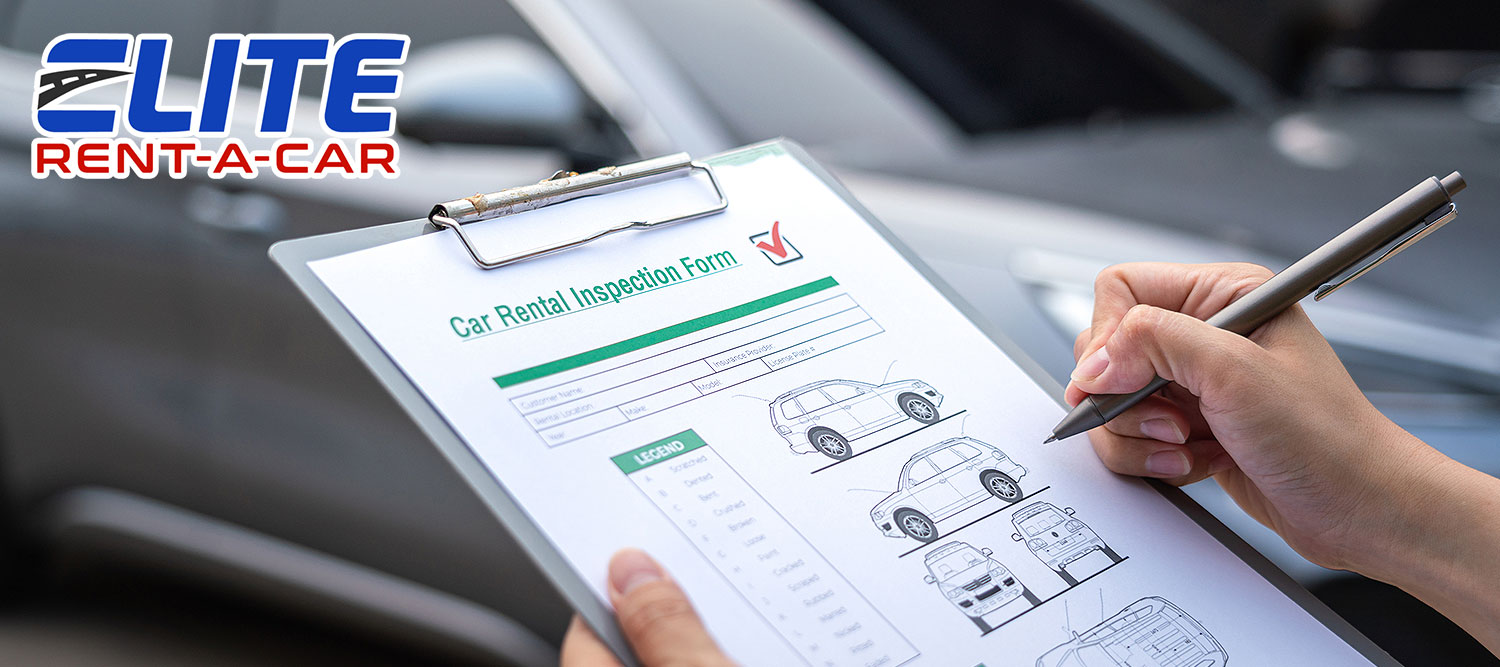
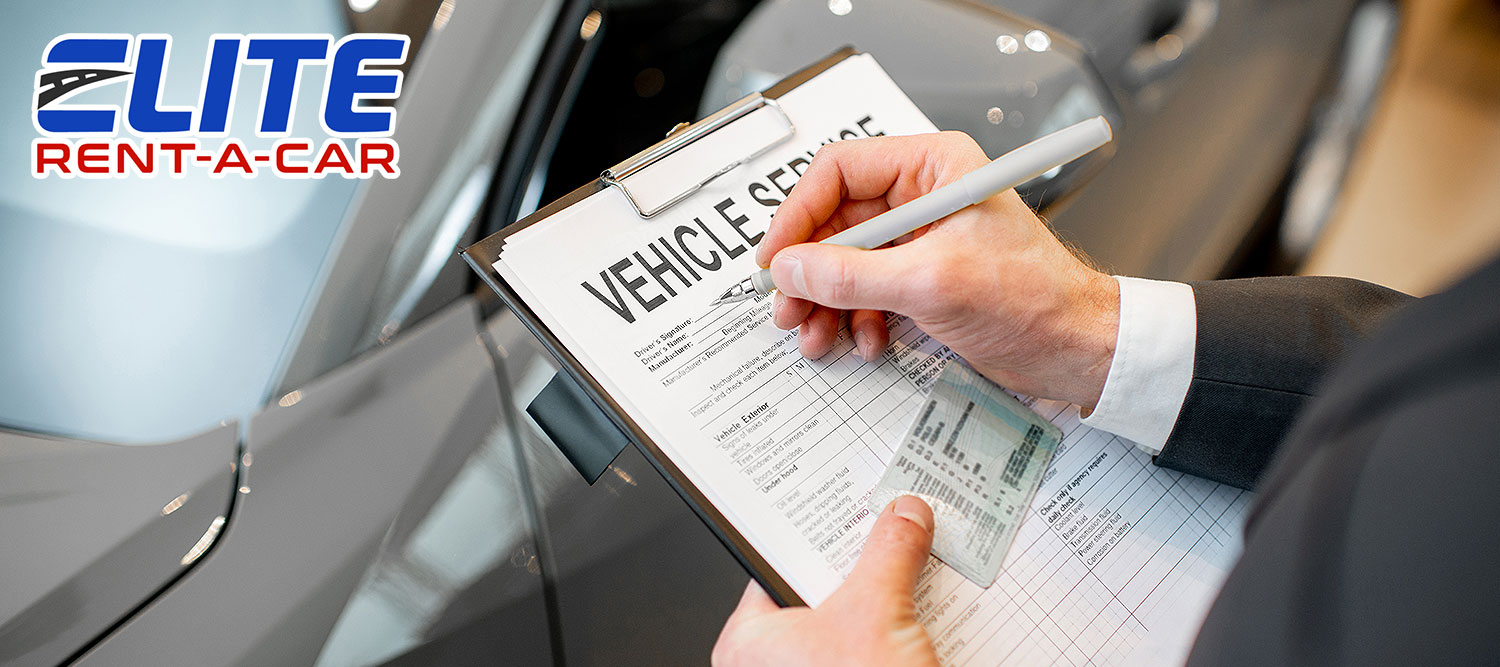
Before you drive away in your rental car, use a rental car inspection list to check its condition. This helps you avoid hidden fees, unexpected damage claims, or charges for issues you did not cause. A thorough vehicle inspection checklist helps protect your money and keep you safe on your trip. Experts recommend taking photos and videos before you leave the lot to document the car’s condition.
Exterior Condition
Walk around the car and check all sides for scratches, dents, or paint marks. Look closely at the bumpers, doors, roof, and wheel rims for chips or scuffs. Also, check that the license plate matches the paperwork. If you find any damage, take clear photos and report it to the rental staff so it is written in the rental agreement.
Tires and Wheels
Inspect all four tires for tread depth and wear. Look for signs of bulges, cuts, or punctures. Ensure the spare tire, jack, and lug wrench are present and in good condition. Good tire condition is essential for safe driving and may help you avoid charges later.
Lights and Signals
Test the headlights, taillights, brake lights, turn signals, and hazard lights. Broken bulbs or lights that do not work can create safety issues and may incur fines or additional fees if not noted before pickup.
Fluid Levels
Check engine oil, coolant, windshield washer fluid, and brake fluid if you can. Low fluid levels can cause car trouble later, and if you don’t report them before driving off, the rental company might think you caused the issue.
Interior Condition
Look inside the car for stains, tears, or other damage on the seats, upholstery, or dashboard. Test the seatbelts, adjust the mirrors, and make sure all windows and locks work. Verify that the air conditioning and heating work as well.
Dashboard and Warning Lights
Start the car and look at the dashboard for any warning lights. If you see engine alerts, tire pressure warnings, or other symbols, notify the rental staff before driving away.
Fuel Level
Check the fuel gauge and confirm it matches what is noted in your rental agreement. If the car is not as complete as the agreement states, ask the staff to correct it so you do not incur additional fuel fees later.
Documentation and Photos
Take time‑stamped photos and videos of the entire car. Capture close‑ups of any damage, the fuel level, tires, and dashboard. These records will help you if there is a dispute upon your return of the car.
Rental Agreement Terms You Must Understand
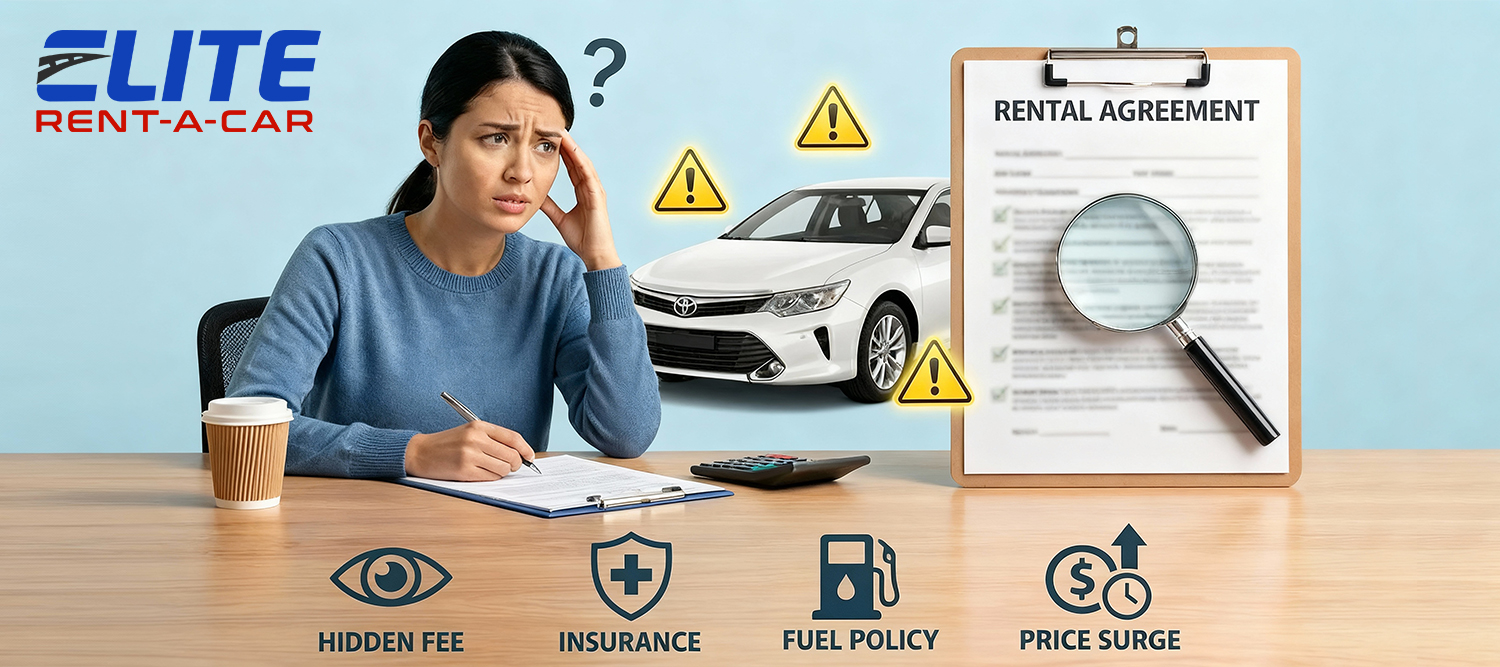
When you rent a car, you will sign a rental agreement. This is a legal contract between you and the rental company. It outlines all the rules you must follow, the fees you must pay, and what you must do before returning the vehicle. Reading and understanding this agreement helps you avoid hidden costs and problems later.
What Is a Rental Agreement?
A rental agreement is the official document that outlines the terms you agree to when you rent a car. It includes how long you can keep the vehicle, how much you pay, and other policies such as mileage and fuel. You become responsible for the car from the time you sign it.
Fuel Policy
The car rental fuel policy specifies the amount of gas you must return. Some companies use a “full‑to‑full” rule, where you pick up the car full and must return it full. If you don’t fill it up, you may pay extra fuel charges. Other policies may allow you to pre‑pay for fuel or charge you for fuel refilled later. Know this before you drive off.
Mileage Limits
A rental agreement may have mileage limits. This is a rule that caps how far you can drive the car. Exceeding this cap may incur additional per-mile fees. Some rentals offer unlimited mileage but others do not. Always check this term before signing.
Insurance and Protection Options
Your rental agreement will list the rental car insurance choices. You may see Collision Damage Waiver (CDW) or Loss Damage Waiver (LDW), which limits your cost if the car is damaged or stolen. These are optional protections you can buy, and they are not always included in the base price. Knowing what each type covers helps you decide what you need.
Additional Driver Fees
If someone else will drive the car, you must list them in the rental contract. Companies often charge an additional driver fee for anyone who drives besides the primary renter. Always check who is allowed to drive and how much it costs, so you are not charged extra later.
Late Return and Other Charges
The agreement will also explain what happens if you return the car late. Many companies add extra charges for even a short delay. They will also outline additional fees, such as GPS rental, child car seat rental, and more. Always read this section to avoid surprises about extra costs.
Rental Car Insurance & Protection Plans
When you rent a car, you will see several rental car insurance options at the counter or online. These protection plans help protect you if your vehicle is damaged, stolen, or involved in an accident. Knowing these options enables you to choose what you need and avoid paying for coverage you already have.
What Is Rental Car Insurance?
Rental car insurance is temporary coverage that protects you while you have the car. It is active once you sign the rental agreement. Some plans cover damage to the vehicle itself; others defend you if you injure someone else or damage their property; and still others help with medical costs or lost belongings.
Collision Damage Waiver (CDW) and Loss Damage Waiver (LDW)
One of the main protections is the Collision Damage Waiver (CDW) or Loss Damage Waiver (LDW). CDW can reduce your liability if the rental car is damaged in a crash. LDW usually includes CDW plus theft protection. LDW provides broader coverage by covering loss and theft of the vehicle.
These waivers are not technically traditional insurance, but they waive (remove) your financial responsibility for covered damage or theft, so the rental company will not charge you later.
Liability and Supplemental Liability Protection
The rental company usually includes basic liability coverage required by law. This covers damage you cause to others or their property. You can also choose Supplemental Liability Protection (SLP) to increase the amount of coverage if you need more protection.
Personal Accident Insurance (PAI) and Personal Effects Coverage
Some companies offer Personal Accident Insurance (PAI), which helps cover medical costs for you and your passengers after a crash. You may also see Personal Effects Coverage (PEC), which helps pay for items stolen from the rental car.
Do You Already Have Coverage?
Your own personal auto insurance may cover rental cars. If you have collision and comprehensive coverage on your regular car insurance, it might extend to your rental vehicle. Some credit cards also provide rental car coverage if you pay for the rental with that card. This can help you avoid buying extra coverage at the rental desk. Always check with your insurance provider and credit card company before declining rental insurance.
Choosing What You Need
Choosing the proper protection depends on:
- Your existing auto insurance
- Whether you have credit card coverage
- How much risk do you want to take
- The rental agreement terms from the company
Once you understand these options, you can decide whether to purchase CDW, LDW, supplemental liability, PAI, or other plans to ensure you are covered and avoid paying for coverage you already have.
Safety and Emergency Preparedness Checklist
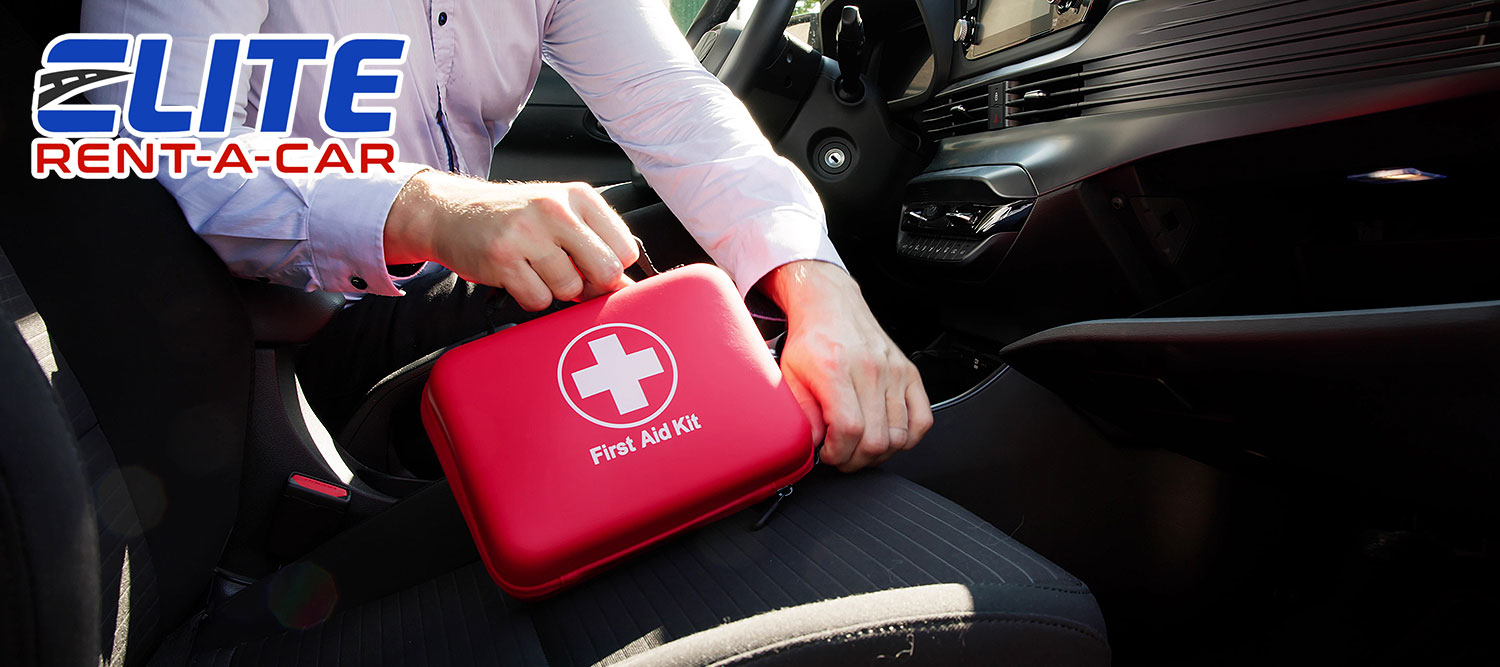
When you have your rental car on the road, unexpected situations can happen. You should be prepared with a safety and emergency checklist so you feel secure and can handle issues such as a flat tire, a dead battery, or inclement weather. Having a good emergency kit and knowing how to use the car’s safety features helps keep you safe and reduces stress on your trip.
Essential Safety Items to Bring
Here are key items to have with you:
First‑Aid Kit
Include a basic first‑aid kit with bandages, antiseptic wipes, and pain relievers. This helps if someone gets a small cut or injury in the car.
Emergency Roadside Kit
A roadside kit should include tools for common problems, such as jumper cables or a portable jump starter for a dead battery, a tire gauge, and a tire repair kit. These help you resolve minor issues without waiting for assistance.
Flashlight and Batteries
A strong flashlight is essential, especially at night or in low‑light conditions. Bring extra batteries or use a rechargeable flashlight.
Blanket and Warm Clothing
If the weather changes or your car breaks down, a blanket and warm clothes help you stay comfortable while waiting for assistance.
Mobile Phone Charger and Power Bank
Keep your phone charged so you can call for help, check maps, or access roadside assistance if needed.
Warning Signs and Reflective Gear
Items like reflective triangles or a high‑visibility vest make you easier to see if you must stop on the road, especially at night or in poor weather.
Know Your Car’s Safety Features
Before you start driving:
- Learn how to turn on lights, wipers, air conditioning, and defrost.
- Adjust mirrors and seats for good visibility.
- Verify that the dashboard warning lights are not illuminated.
- Program your GPS device or map app before you drive.
This helps you use the vehicle safely and avoid distractions while on the road.
Why Emergency Preparedness Matters
Roadside emergencies can happen to anyone. A well‑prepared emergency kit helps you stay safe, handle minor problems, and avoid panic if something goes wrong. Keeping these items in your rental car and knowing how to use them gives you confidence and peace of mind on your trip.
Common First‑Time Renter Mistakes to Avoid
When you rent a car for the first time, it is easy to make simple mistakes that add cost and stress to your trip. Many first‑time renters regret not reading the rental agreement or missing essential details about fuel, mileage, or insurance. Knowing these common mistakes helps you avoid problems and enjoy a smooth car rental experience.
1. Booking Too Late
Waiting until the last minute to book your rental car can result in fewer options and higher prices. Booking early helps you compare prices, choose the right car size, and save money.
2. Skipping the Fine Print
Many first‑time renters do not read the full rental contract. This can lead to confusion about mileage limits, fuel policy, and extra fees. Always read the agreement carefully to understand what you are signing.
3. Not Inspecting the Car Properly
If you do not use a vehicle inspection checklist before driving off, you might be charged for damage you did not cause. Walk around the car, check tires, lights, and interior, and take time‑stamped photos to protect yourself.
4. Misunderstanding Fuel Requirements
Not knowing the fuel policy can lead to hefty charges at drop‑off. Some policies are “full‑to‑full,” meaning you must fill the tank before returning. Always check this in the rental agreement to avoid additional fuel fees.
5. Choosing the Wrong Insurance
Many renters purchase additional coverage without checking their personal insurance or credit card benefits. Some credit cards already include rental protection, so you may not need to purchase duplicate coverage. Knowing what your card or personal auto insurance covers can save money.
6. Ignoring Mileage Limits
Not all rentals come with unlimited mileage. If you exceed your contract limit, you may incur an additional per-mile charge. Always check whether your rental includes unlimited mileage before you agree.
7. Returning the Car Late
Rental companies often charge extra if you return the car after the agreed time. Some allow a short grace period, but it is best to plan to return the vehicle on time.
8. Paying for Unnecessary Extras
Extras such as GPS devices, additional driver fees, or rental child seats can add up quickly. You may already have these items, or you can avoid the charges by bringing your own.
9. Not Comparing Prices
Renting from the first company you find can mean missing better deals. Compare prices across multiple rental companies, and check one‑way rental pricing and different pickup locations to get the best price.
10. Ignoring Drop‑Off Location Fees
Returning the rental car at a location other than where you picked it up may incur additional one‑way rental charges. Always check for drop‑off fees when you book.
FAQs Section — Quick Answers for First‑Time Renters
This section answers common questions first‑time car renters ask, so you feel confident and ready to rent a car. These are fundamental questions that many people search for before booking or picking up a vehicle.
What documents do I need to rent a car?
You need a valid driver’s license to rent a car. Most companies also require a photo ID, such as a passport or national ID. If driving in another country, you may need an International Driving Permit (IDP) along with your license. Bring your reservation confirmation and the credit or debit card you used to book.
How old do I have to be to rent a car?
Most rental companies want drivers to be at least 25 years old. Drivers under 25 can usually rent a car, but they may be required to pay a young-driver fee and meet additional requirements. Some places allow renters as young as 21 or even 18, depending on the company.
Can I rent a car with a debit card?
Yes, some companies accept debit cards, but they may require additional ID, proof of travel, or a larger deposit hold. Using a credit card makes the process easier and more common.
Does my credit card cover rental car insurance?
Many credit cards offer rental car insurance if you pay for the rental with that card. This can cover damage or theft and sometimes functions as a damage waiver. Check your card benefits before buying extra coverage at the counter.
Do I have to buy insurance from the rental company?
No. Rental companies offer insurance and protection plans, but you can use your personal auto insurance or credit card coverage instead if they include rental car protection. Always check your existing coverage to avoid paying for coverage you don’t need.
What is the fuel policy?
The fuel policy tells you how to return the car’s gas. Most companies use a full‑to‑full rule: you pick up the car with a full tank and must return it full. If you don’t, you may pay extra refueling fees.
Can I return the car to a different location?
Yes. Many companies let you do a one‑way rental, but there may be an extra one‑way fee for this convenience. Book this option ahead of time.
Will they check my driving record?
Some rental companies check your driving record for serious issues like DUIs or major traffic violations. If your record is clean, you are more likely to be approved.
What if I return the car late?
If you return the car after the agreed-upon time, the rental company may charge a late return fee or an additional day. Plan to arrive early at the drop‑off location so you avoid these charges.
Can I rent extras like a GPS or a child car seat?
Yes, you can rent extras such as a GPS device or a child car seat, but these often incur additional fees and may not be necessary if you bring your own.