

Renting a car can be a great way to travel and explore new places. Many people choose a rental car for trips, vacations, or business travel because it gives freedom and flexibility. But even simple rentals can lead to big problems, extra costs, and stress if you make common car rental mistakes.
Most renters think picking a car and signing a contract is easy. Many fail to check hidden rental fees, ignore the fine print in the rental agreement, or misunderstand rental car insurance options. These errors can lead to unexpected charges, like fuel fees, late return fees, extra driver fees, or damage disputes. Hidden rental car fees can add up quickly if you are not careful.
This guide will help you avoid common mistakes when renting a car and save time and money. You will learn how to spot hidden costs, understand insurance terms such as Collision Damage Waiver (CDW) and Liability insurance, and handle rental car company fees. Knowing these tips will help you make smarter booking decisions and have a better rental experience.
Why Understanding Rental Mistakes Matters
When you rent a car, simple errors and misunderstandings can turn a good trip into a costly one. Many people think renting a car is easy. But rental car pitfalls are common, and renters often pay extra without knowing why. Mistakes such as not reading the rental agreement, overlooking hidden fees, or misunderstanding car rental insurance options can increase your trip’s final cost.
If you miss important details in the contract, you may incur unexpected surcharges, fuel penalties, or late-return charges that seem unfair but are clearly in the fine print. Most hidden problems are avoidable if you take the time to check the terms before booking.
Beyond saving money, recognizing these mistakes helps you plan more effectively. You can compare rental car deals, choose the right vehicle size, understand airport rental location fees, and confirm what your credit card coverage or personal insurance already protects. This preparation makes your rental experience stress‑free and smooth, not confusing and expensive.
1. Booking Too Late
One of the top mistakes people make when renting a car is booking too late. Waiting until the last minute to make your reservation can lead to fewer choices, higher prices, and stress before your trip. When you book early, you get more time to compare rental car deals, view options from different car rental companies, and find the best price for your trip.
Many travelers think they can wait until they arrive at the airport or destination, but that often means limited vehicle sizes, no economy cars, or paying extra for something that was cheaper days before. Booking late may also mean you miss out on discounts, loyalty program perks, and company deals.
To avoid this mistake, try to reserve your car as soon as you book your travel. Check prices on different platforms and compare offers. You can also use price comparison tools to make sure you find the best rate from a trusted provider. Planning helps you save money and reduces stress at pickup time.
2. Skipping the Fine Print

Many renters make a big mistake by skipping the fine print in the rental agreement. This is when you accept the contract without reading all the rules, fees, and policies the car rental company has written. It might seem tedious, but missing these details often results in hidden fees and unexpected surcharges that can undermine your budget.
For example, some rental contracts include fuel policies that require you to return the car with a full tank of gas or face high refueling charges. Other agreements have mileage limits, toll charges, or border-crossing fees. If you don’t pay attention, you might be charged more than you expected
Reading the fine print also helps you understand insurance options, such as the Collision Damage Waiver (CDW) or Liability insurance, and whether your credit card coverage or personal insurance already covers you.
To avoid this mistake, slow down and read every part of the contract before you sign. Ask the agent to explain anything unclear, especially fees for fuel, mileage, tolls, late return charges, or extra driver fees.
3. Misunderstanding Insurance Coverage
Many renters make a big mistake by not fully understanding rental car insurance. When you pick up a car, the car rental company will offer options like a Collision Damage Waiver (CDW), Loss Damage Waiver (LDW), and other coverage add‑ons. If you don’t know what these mean, you can pay for insurance you already have or pay too much for protection you don’t need.
A CDW and LDW are common waivers that limit financial responsibility if the rental car is damaged or stolen, but they are not the same as full insurance and do not cover everything. For example, many CDWs do not include liability for injuries or damage to other people’s property.
Many renters assume their personal car insurance or credit card coverage will pay for damages. In some cases, it does, but not always. Some individual policies and cards offer only secondary coverage, meaning you must pay out of pocket and then submit a claim later. Others may not apply in every country or for every vehicle type.
To avoid unnecessary costs, review the insurance section of the rental agreement, check your own coverage, and determine what additional protection you need. This helps you avoid paying for expensive waivers that duplicate your existing coverage.
4. Not Inspecting the Vehicle Before Pickup
One common rental car mistake is renting a car without a thorough inspection. Many rental customers skip this step, but it can lead to extra charges, disputes over damage, hidden costs, or unfair claims later. Before you drive off, take time to scrutinize the car’s condition. A thorough vehicle inspection helps protect you from paying for issues that were already present when the car rental company provided the vehicle.
When you inspect the rental car, walk all around it and look for scratches, dents, paint chips, or broken lights. Check the tires, bumpers, doors, and interior seats. If you see anything, take clear photos or videos with a time stamp and ask the agent to add them to the rental record. This gives you proof of the car’s real condition, so the company cannot blame you for pre‑existing damage.
Inspecting the vehicle also helps with your safety and comfort. You can test features such as the air conditioning, lights, windows, and radio before driving away, so you know everything works properly. Failing to check these items can lead to issues during your trip that could have been resolved at the start.
If you don’t inspect the car properly, the car rental company could charge you for damage you did not cause. With new technology, some rental providers use advanced scanners to detect minor damage and charge high repair fees unless you can show proof that the damage was already there. This makes having good documentation more critical than ever.
To avoid this mistake, give yourself extra time at pickup, check every part of the car, take photos, and make sure any damage the company notes matches what you see. This simple step can save you from extra charges, disputes, and stress later.
5. Choosing the Wrong Pickup or Drop‑Off Location
Choosing the wrong pickup or drop‑off location is one of the rental car pitfalls that leads to extra fees and higher costs. Where you pick up and drop off your rental car can affect your total price and the convenience of your trip.
Many travelers pick up their rental at the airport rental location because it is easy right after a flight. However, airport rentals often cost more than rentals atother locations. Rental companies must pay airport fees and taxes for being on site, and they pass these fees on to you in the price. On average, airport rentals can cost significantly more than off-airport rentals, even for the same car.
Off‑airport or city pickup locations often have lower base rates because they do not include extra taxes or concession fees. These local branches may offer lower rates and fewer hidden fees, though you may need to travel a short distance from the airport to reach them.
Another common issue is returning your rental to a different location than where you picked it up. This is called a one‑way rental, and many companies charge a drop‑off fee to cover the cost of returning the vehicle to the original branch. The fee varies based on the distance between the pickup and drop‑off locations and each car rental company’s policies.
To avoid paying extra, compare prices at airport and non‑airport locations before booking. If you must return the car elsewhere, look for one‑way rental deals that include the drop‑off fee, or choose a rental company that offers lower drop-off fees. Always read the rental agreement to understand all costs associated with your pickup and drop‑off choices.
6. Ignoring Loyalty Programs & Discounts

Many people miss out on significant savings by ignoring loyalty programs and discounts when renting a car. Several car rental companies have loyalty programs that are free to join and offer real perks like points, free rental days, upgrades, and waived fees. These programs work a bit like airline frequent‑flyer or hotel rewards programs.
Joining a car rental loyalty program before you rent helps you earn points or credits on every booking. After a sufficient number of rentals, you can redeem points for free days, discounts on future bookings, orpriority service at pickup. Some programs offer benefits from the first rental, such as skipping the counter or including a free additional driver.
Loyalty perks go beyond just free days. Many programs also offer faster check‑in, special pricing, and a wider range of vehicle options. If you rent often, signing up for loyalty programs with popular companies can make a significant difference in your travel budget.
You can also look for car rental discounts outside loyalty clubs. Some travel memberships, credit card travel portals, and affiliate organizations offer discount codes that reduce your base rate or include extras such as waived fees for young drivers. These codes often work on top of standard pricing, giving you even more ways to save.
To avoid missing out on savings, always check whether you have a loyalty program membership or a discount code you can apply at checkout. This simple step helps you get better value, access possible upgrades, and avoid additional surcharge fees over time.
7. Extra Fees and Add‑Ons You Didn’t Budget For
When you rent a car, the base price you see online is rarely all you pay. Many hidden rental fees and add‑ons can quickly increase your trip’s total cost if you are not careful. Knowing about these charges in advance helps you avoid surprises and save money.
One of the most common problems is optional charges for add‑ons like GPS, child seats, toll passes, Wi‑Fi hotspots, and satellite radio. These items might seem convenient, but they often cost much more than using your own devices or planning. For example, some rental companies charge daily fees for GPS or car seats, which can add up quickly on longer trips.
Another frequent extra fee is the additional driver fee. If more than one person plans to drive the rental car, the car rental company may charge for each extra driver. These fees vary by company and location and can significantly increase your rental cost if you add drivers at the counter. However, some loyalty programs or state rules may help you avoid this charge for certain family members.
Toll charges and toll pass programs are also common add‑ons. Many rental companies offer their own toll transponder or pass service, but it typically incurs daily fees in addition to the toll costs. If you use toll roads, ensure you understand the toll pricing and whether you can pay tolls directly to avoid the rental company’s extra charge.
Fuel policies and refueling charges can also inflate your total cost. If you don’t refill the tank before returning the car, the rental company may charge you a high refueling fee. Prepaid fuel plans seem easy, but they are often more expensive than filling the tank yourself at a local station.
To avoid additional surcharge fees, always read the rental agreement carefully before finalizing a booking. Decline add‑ons you do not need, use your own GPS or child seats when possible, and check refund or cancellation policies before you agree to paid services. This simple planning helps keep your rental costs low and prevents unnecessary fees from accumulating.
8. Not Checking Driver Requirements & Documentation
A typical rental car mistake is not checking driver requirements and documentation before picking up your vehicle. Car rental companies always verify your identification to ensure you are allowed to drive their vehicle. If you arrive without the required documents, the rental company may refuse to rent you the car, charge additional fees, or delay your trip, which can be frustrating and costly.
First, you must bring a valid, current driver’s license. This proves you are legally allowed to drive. Most places also require that the permit have been held for a specific period, usually at least a couple of years. Some countries or rental locations may ask for an International Driving Permit (IDP) in addition to your regular license, especially if your license is not in the local language.
In addition to your driver’s license, you usually must have a credit card in your name. The rental company uses this card to place a security deposit hold for fuel charges, damage, or other fees. Some companies accept debit cards, but this may require additional documentation, such as ID or proof of travel plans.
Many locations also check your age. Most rental companies set a minimum age, often 21 or 25, and if you are under that age, you may pay a young driver surcharge or face restrictions on the type of vehicle you can rent. Some places may refuse rentals entirely to very young drivers.
Other helpful documents include your passport or government‑issued ID (especially if you are traveling in another country), your rental reservation confirmation, and proof of insurance if you choose not to buy coverage from the rental car company. Without these, you risk delays, higher fees, or missing your trip entirely.
9. Fuel & Return Policy Mistakes
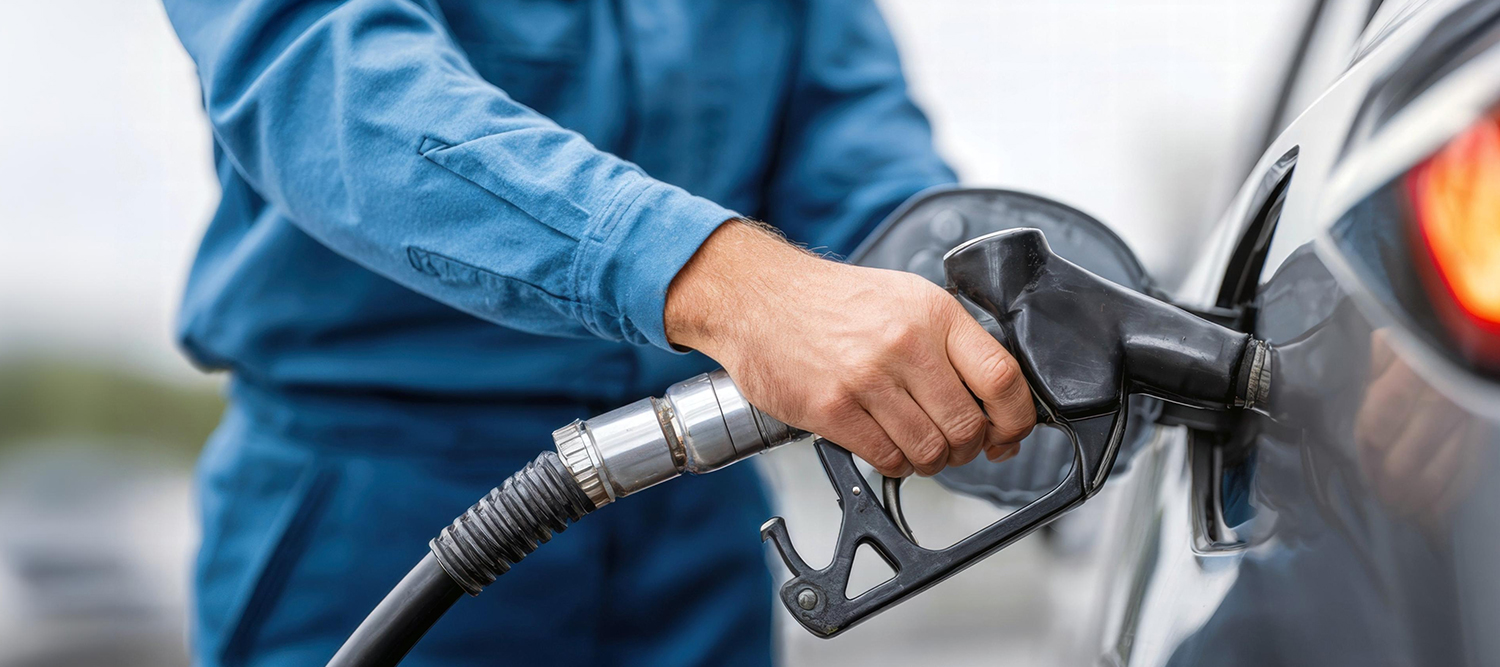
One of the top mistakes people make when renting a car is not understanding the fuel policy and what is required before returning the rental car. The fuel policy in your rental agreement tells you how much gas you should have in the tank when you return the vehicle. If you don’t follow the rules, the car rental company can charge you extra surcharge fees that are much higher than local gas prices.
Most rental contracts use something called a full‑to‑full fuel policy. This means you receive the car with a full tank of fuel and must return it with a full tank as well. If you return the vehicle with less fuel, the company can charge a high per‑gallon rate and add a service fee.
Some companies offer a prepaid fuel option. With this method, you pay for a full tank of fuel at the start and can return the car with any level of fuel. This sounds easy, but it often costs more, especially if you don’t use all the gas you paid for.
Another type of policy is same‑to‑same. This means you must return the rental car with the same amount of fuel that was in the tank at pickup. If you don’t meet the required level, you may be charged an additional fee.
To avoid unexpected charges:
- Know which fuel policy your rental uses before you sign the contract.
- If your plan is full‑to‑full, refill the tank near the return location before you drop off the car.
- Keep your fuel receipts in case there is a dispute about how much gas you added.
These simple steps help you avoid additional fees, save money, and reduce stress when returning the vehicle.
10. Overlooking Roadside Assistance & Support Options
Many renters overlook roadside assistance when booking a rental car. Roadside assistance is a service that provides support if something goes wrong on the road, such as a flat tire, a dead battery, or a lockout. Not having this help can turn a minor problem into significant stress, delays, or additional costs.
Roadside assistance is different from rental car insurance, as insurance protects you from accidents or damage. In contrast, roadside assistance gets you out of trouble when your car stops working or you are stuck on the roadside. Some rental companies include basic roadside assistance, but many do not unless you add it.
Standard services in roadside assistance plans include towing, flat-tire assistance, jump-starts, fuel delivery, and lockout service if you lock your keys in the rental car. If you don’t have this coverage and your car breaks down, you may have to pay out of pocket for each service call, which can be expensive and slow.
Some car rental companies sell roadside assistance as an optional add‑on charge when you pick up the car. You may also be able to get help through your credit card coverage or a personal roadside assistance plan, but you must check the details first to make sure it applies to a rental.
To avoid this mistake, read the rental agreement carefully to confirm whether roadside assistance is included, ask the agent whether it’s optional, and decide whether the peace of mind is worth the small daily cost. This simple step can help protect your trip from unexpected breakdowns and make your driving experience safer and smoother.
Conclusion
Understanding the top mistakes people make when renting a car helps you save money, avoid stress, and enjoy your trip. Many of these problems stem from small decisions you can address before you pay or drive away. Experts say that avoiding errors such as booking too late, overlooking hidden rental fees, or skipping essential checks greatly improves your experience and reduces unnecessary costs.
First, smart planning matters. Booking your rental car early gives you more options and better prices. Reading every line of the rental agreement helps you avoid additional surcharge fees for items such as fuel, extra drivers, or toll packages. Knowing how insurance works — including Collision Damage Waiver (CDW) or Loss Damage Waiver (LDW) — and checking whether your credit card coverage or personal policy already provides protection, prevents you from paying for insurance you don’t need.
It also helps to scrutinize the car before you leave the lot and document any scratches or dents so that you don’t get charged later. Choosing the right pickup and drop‑off locations, understanding fuel policies, and considering loyalty programs or discounts can all lower your total costs. Experts recommend comparing prices across rental companies and locations to find the best deals without unpleasant surprises.
Lastly, simple steps such as checking mileage limits, returning the car on time, and asking about roadside assistance help ensure a smooth rental trip from start to finish. With these tips, you can be confident you are avoiding common rental car errors that trouble many travelers.
By using what you’ve learned in this guide, your next car rental will be smarter, cheaper, and easier, giving you more time to enjoy your destination.